Korpez' Top-5 Early-Game Regrets — Don't Repeat Them
From 7 months of main-account play, five mistakes the vets keep telling new players to avoid:
☰ On this page 12 ▾
🗓 Updated: 2026-10-12
Korpez’ Top-5 Early-Game Regrets — Don’t Repeat Them
From 7 months of main-account play, five mistakes the vets keep telling new players to avoid:
- Buying Curio chests in the Honor shop instead of blueprints. Gear blueprints are the only thing Honor buys that’s scarce everywhere else. Curios drop passively; blueprints don’t.
- Feeding UR Omnis to Arthur. He ages badly. Vault them for Marlena to 10★ — she carries the entire first 30–60 days.
- Ignoring the Smelting Workshops. Five of them at level 23–25 = 44K gearstones/week passive. Pushing them late is what gates every level-40 breakpoint later.
- Dripping gearstones across purple (SSR) gear. Right gear for the right hero only: sword+gloves+boots for DPS, chest+boots for tanks, everything else at zero until UR.
- Upgrading attack skills on tanks. A tank’s attack does nothing; their skills work on scaling DEF/HP instead.
Fast-Start Playbook: Timing Beats Grinding

If you feel permanently busy yet unsure you are getting stronger, that is normal: the game buries you in actions from minute one while barely explaining which ones move you forward. The tested shortcut below is not a complicated scheme — it is the logic that grows power faster without burning resources. The core insight: the game is not about farming, it is about timing. The same actions land several times harder when they hit the right day, the right event, the right level requirement.
Sanctuary sets the direction, construction sets the speed
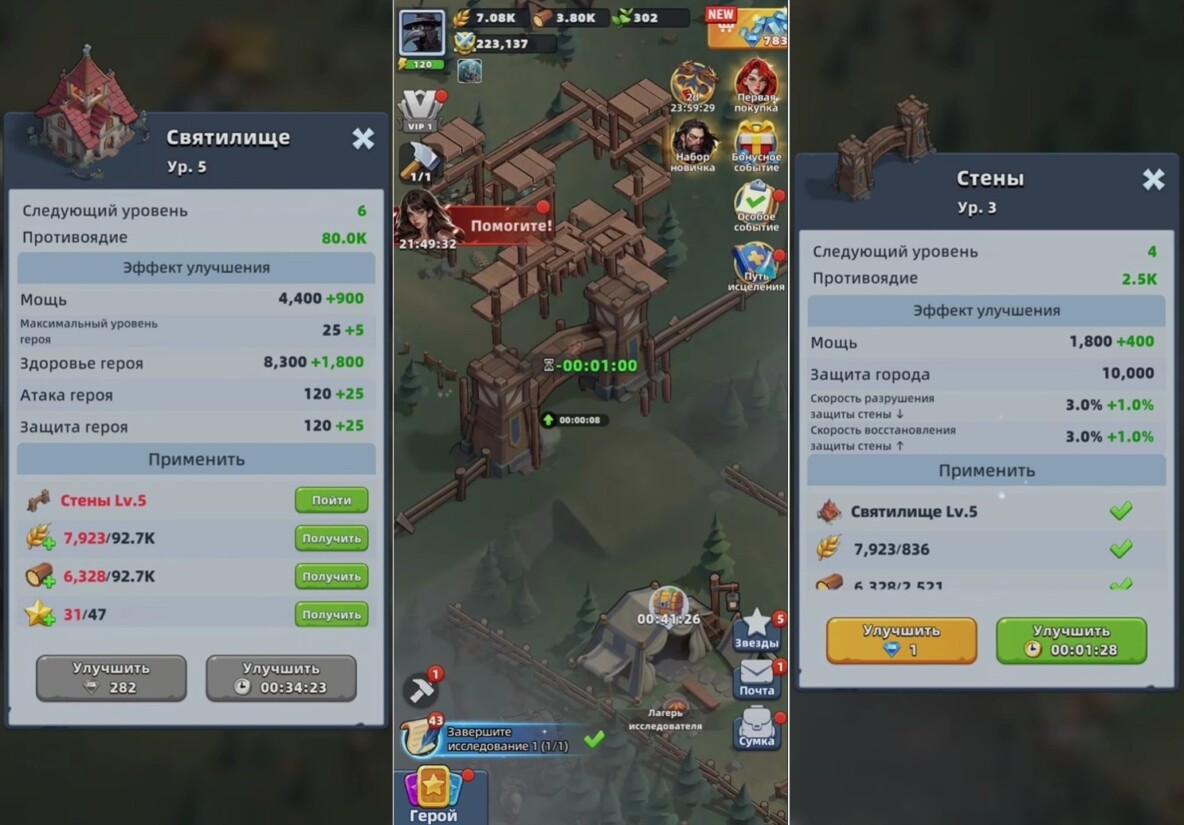
Everything bottlenecks at the Sanctuary — building tiers, mechanics, troop growth, the hero level cap. So the loop simplifies: open the next Sanctuary level’s requirements and work strictly to them; need a wall, build the wall; need the Doctor track, go there. Everything else is secondary.
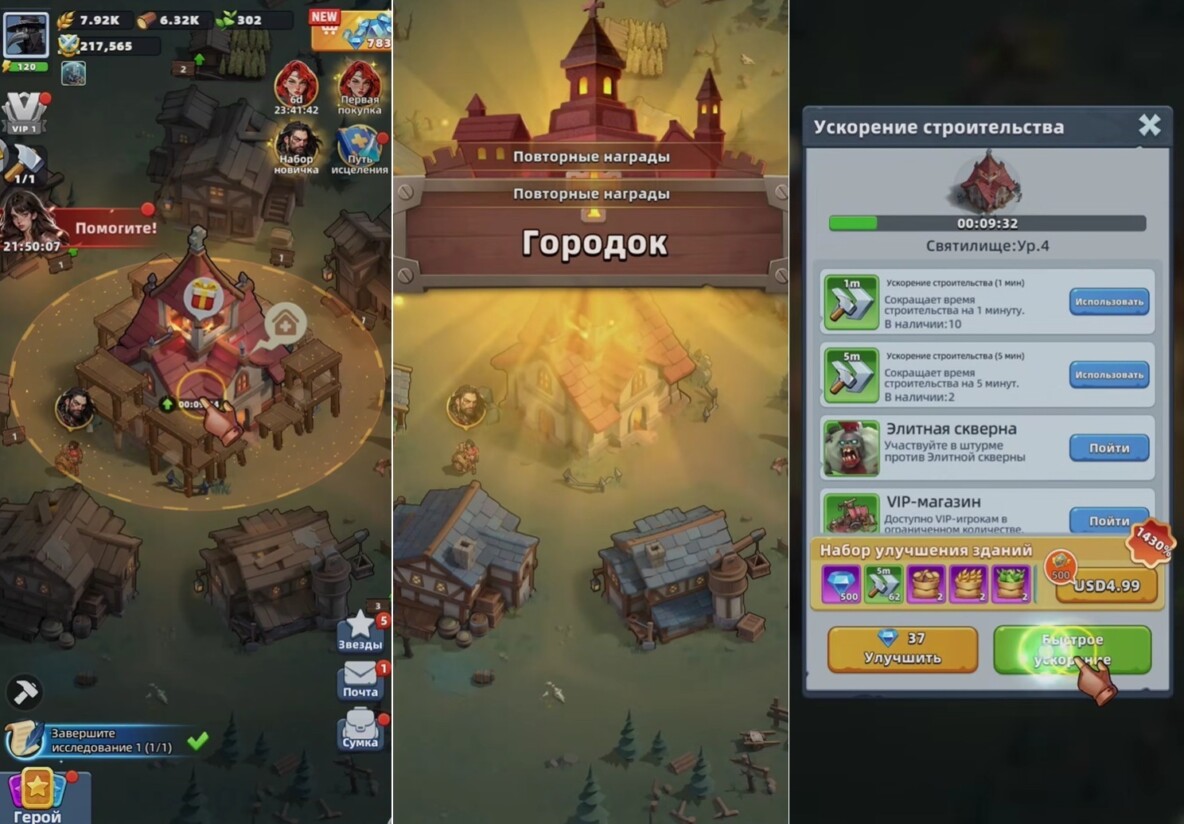
Construction tempo then decides how fast you walk that path. The habit that separates fast accounts: the moment one upgrade finishes, the next starts — not in five minutes, immediately. No ideal upgrade available? Anything useful beats an empty slot — there is no situation where building nothing is better. Check construction first on every login, even a one-minute one.
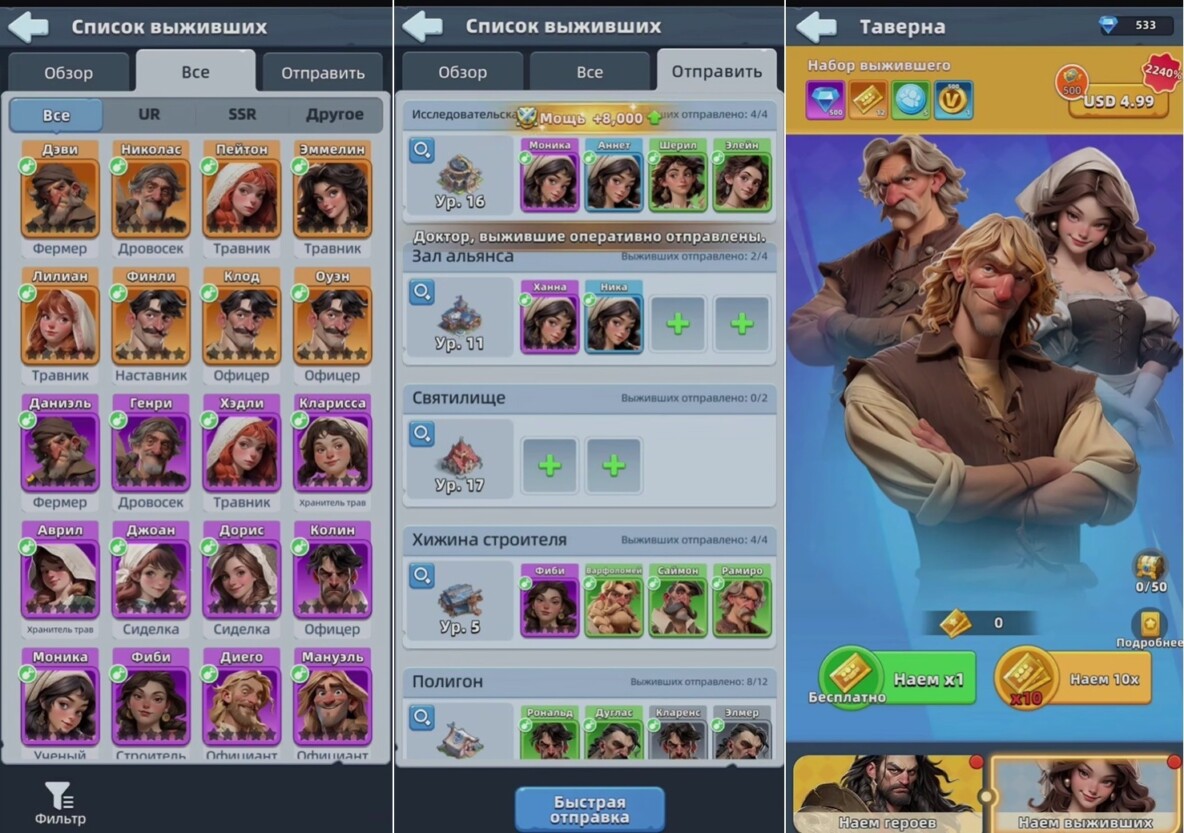
Survivors and speedups: passive always, bursts on purpose
Two accelerators work best as a pair. Survivors are free permanent boosts to construction, resources and research — a basic setup plus “quick dispatch” takes seconds and compounds daily; revisit after every new survivor or building. Speedups are the opposite: most players overrate them and fire too early. Drain everything free first (quests, events, arena, mail), and spend speedups only when truly stuck waiting — piled onto one goal, e.g. a Sanctuary level, never dribbled across tasks. Small tuning trick: split infirmary healing into short batches so allies tap Help faster instead of one long queue.
Play the calendar, stack the events, hoard in short cycles
Each day favors specific actions — build on build day, train heroes on hero day — and matching the rhythm multiplies rewards for identical effort. The next level is stacking: one building upgrade can simultaneously close an event stage, drop bonus resources and score alliance points. One action, several payouts.
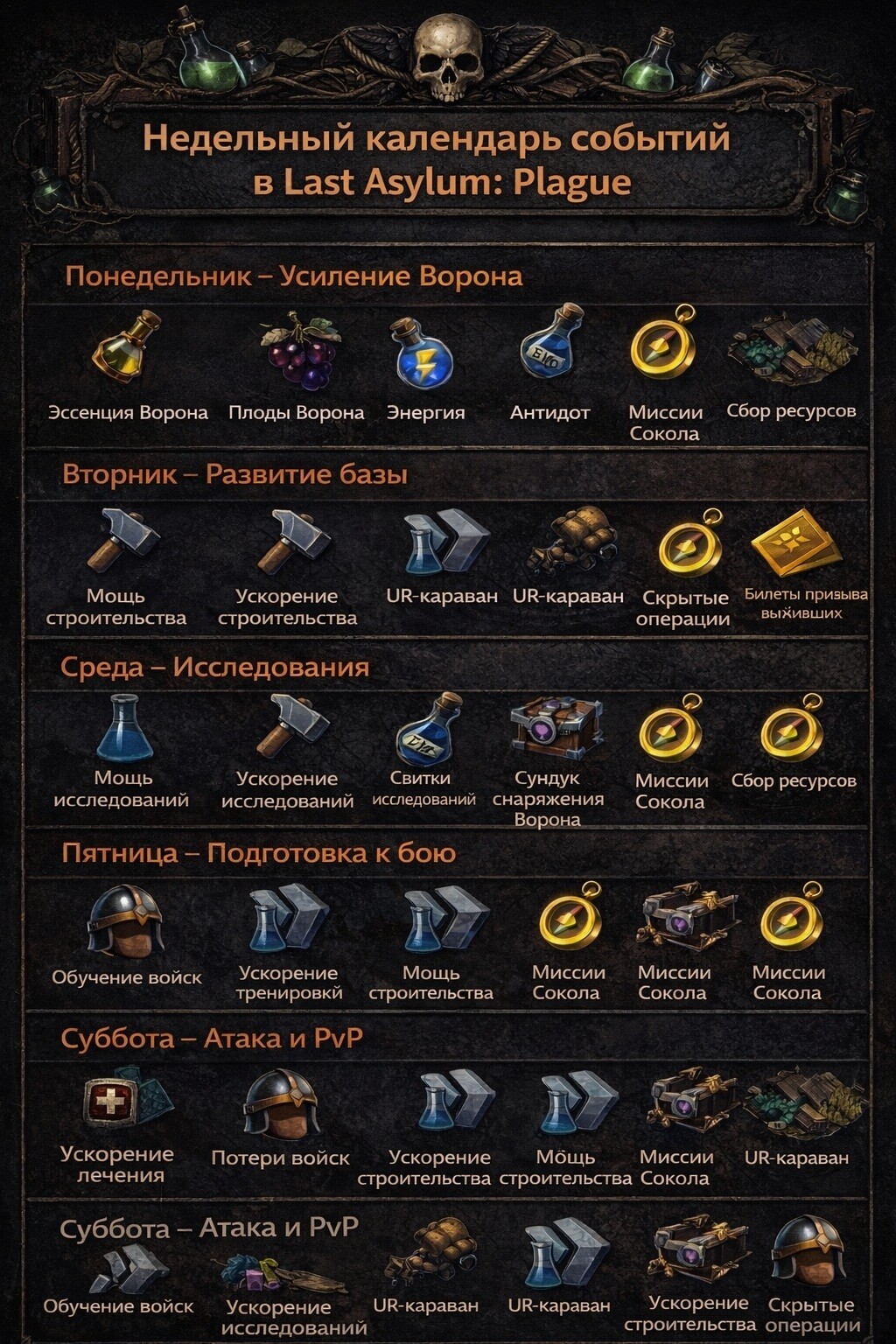
That makes hoarding rational — but in short cycles, not weeks. Save speedups, resources and upgrade items for a day or two, then fire them on the profitable day: several event stages close at once, power jumps. Spending a little daily achieves none of that.
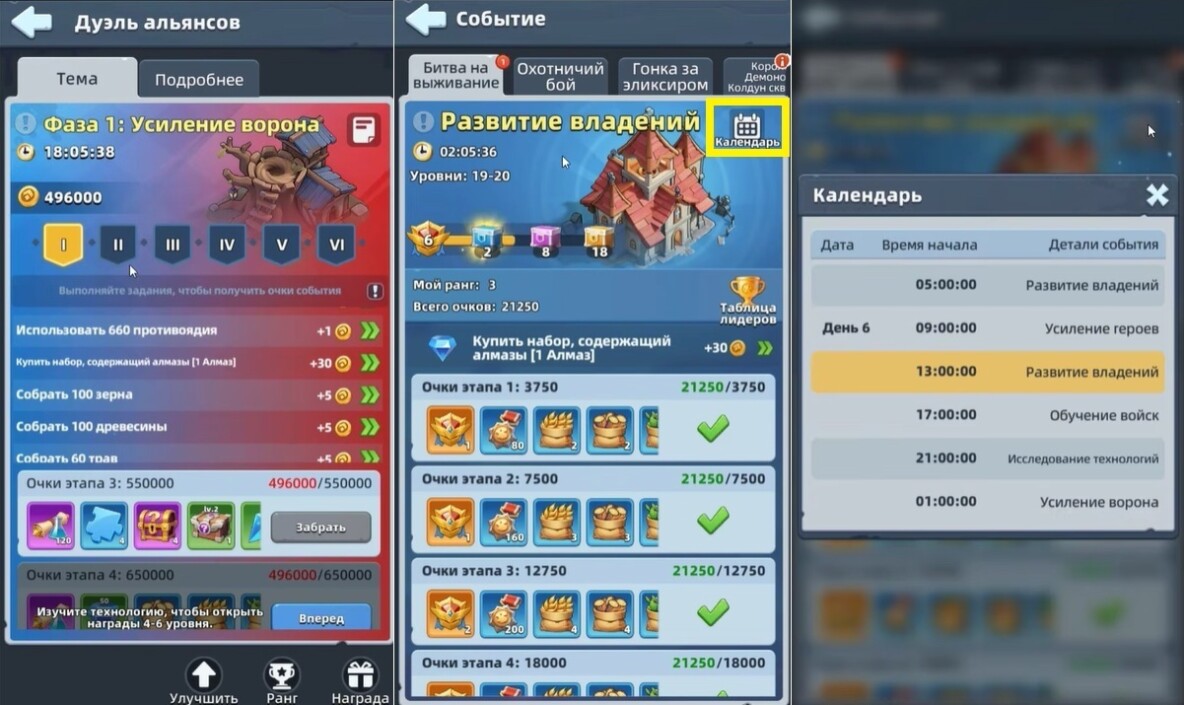
Fresh server, dense first day
On a days-old server you start as the chaser — pumped bases, open mechanics, settled alliances. On a fresh server everyone starts at zero and attention to priorities converts into rank, events and a strong alliance immediately. Then exploit the cheapest day of your account’s life: construction is fast, research instant-ish, upgrades cheap. Keep timers restarting all day — short sessions of prompt re-queuing beat one long unfocused evening, because early idle time hurts the most.
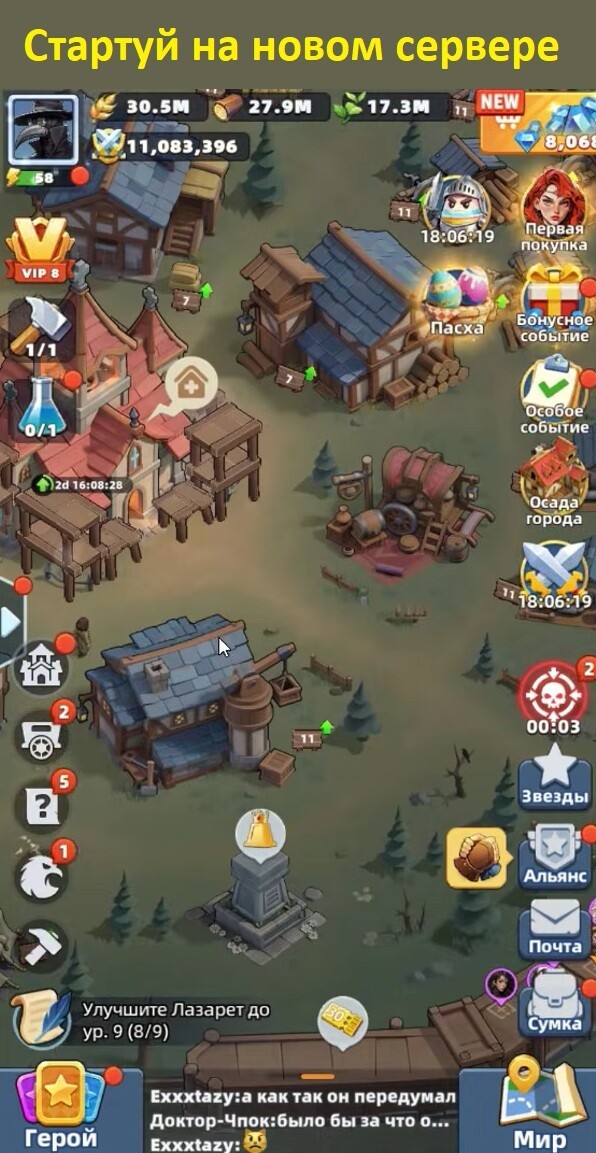
Alliance first, acceleration second
Solo, everything leans on your own timers; in an active alliance, members tap Help and timers shrink by hours, alliance chests drip resources and speedups, and extra events pay for participation. Avoid dead chats — aim for living alliances, ideally top ones once rankings open — and press Help for others yourself: it takes seconds and drives the activity you benefit from.
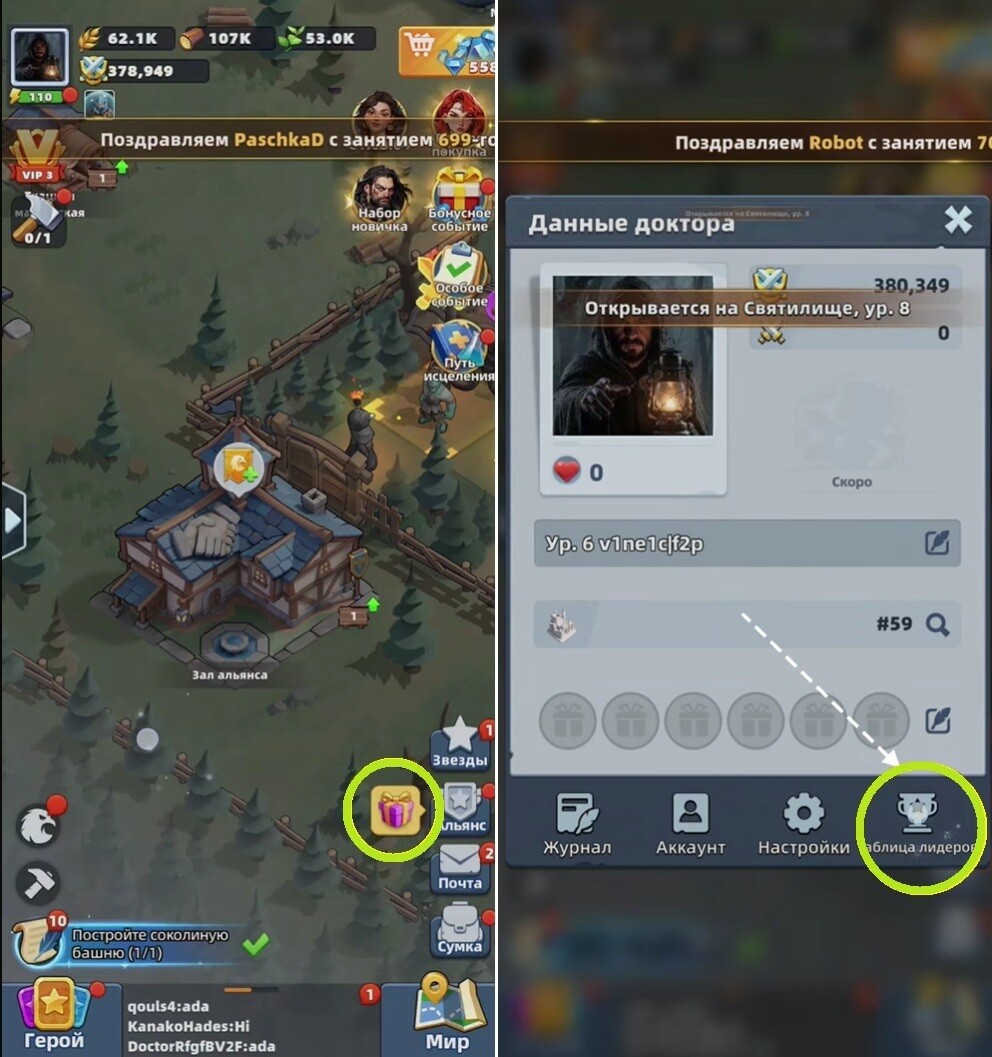
Falcon missions feed the calendar
Falcon missions need not be claimed instantly — they accumulate to the limit, then get turned in bulk on scoring days for event points and stage rewards. Execute one day, cash in the next, on rotation, without hitting the cap. (Pair this with the full Falcon Tower stacking rules in §3 above — it is the same mechanic from the event-day angle.)
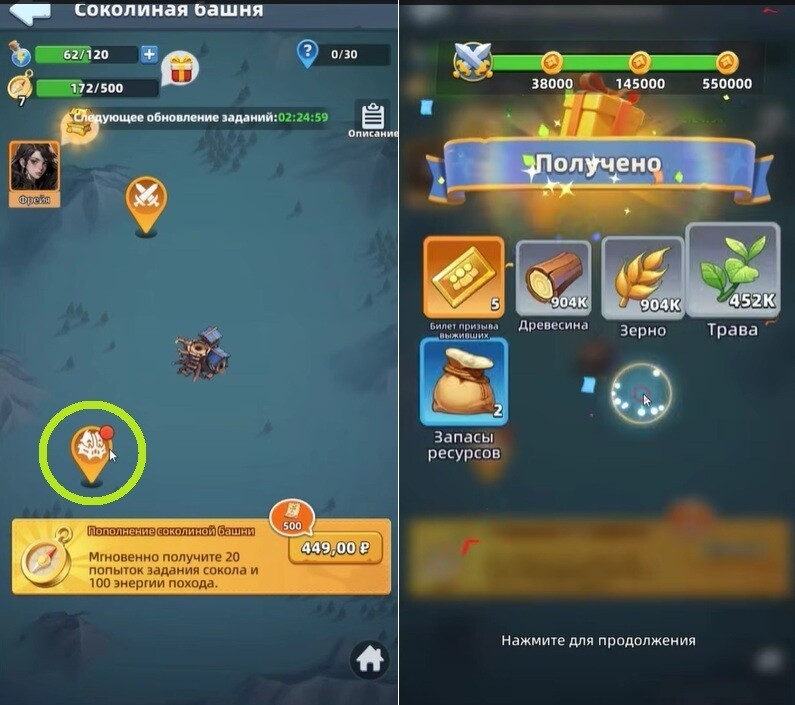
One squad, correct seats, early tickets
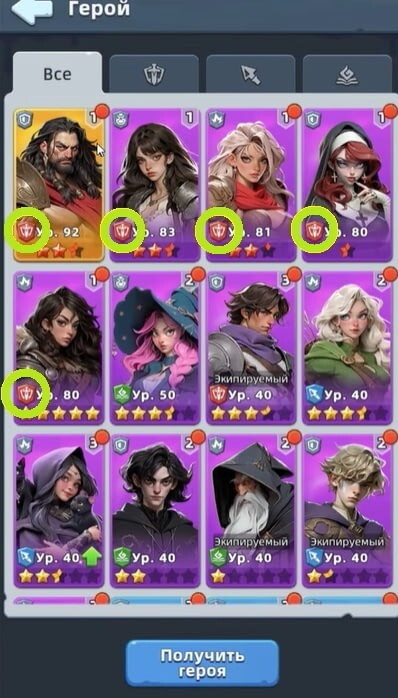
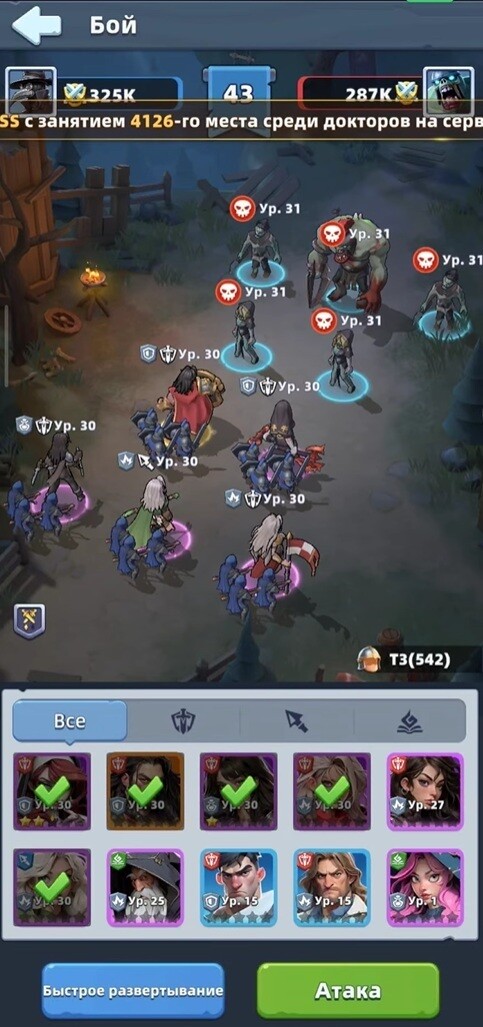
A new hero is not a reason to invest: a roster of half-built pulls loses everywhere. Choose a base five, fund only it (levels, skills, gear), and judge newcomers by whether they improve the current lineup. The working template: two tanks up front (Arthur, Bella) holding damage, three behind (Marlena, Claire, Celia) dealing and supporting — and do not hoard summon tickets “for later”: assembling the base five fast matters more than saving, since everything downstream keys off it.
Warriors first — cheaper miles
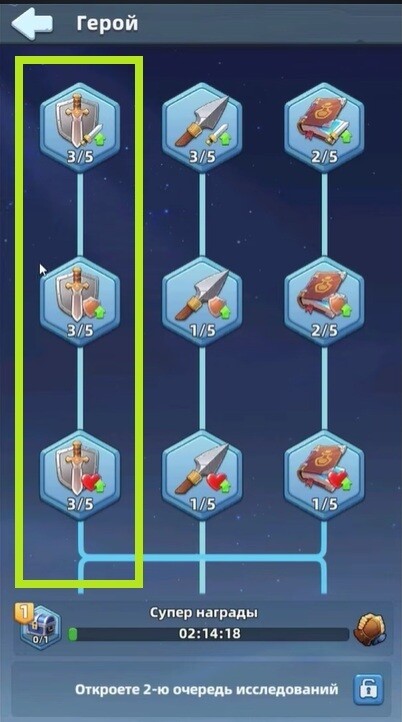
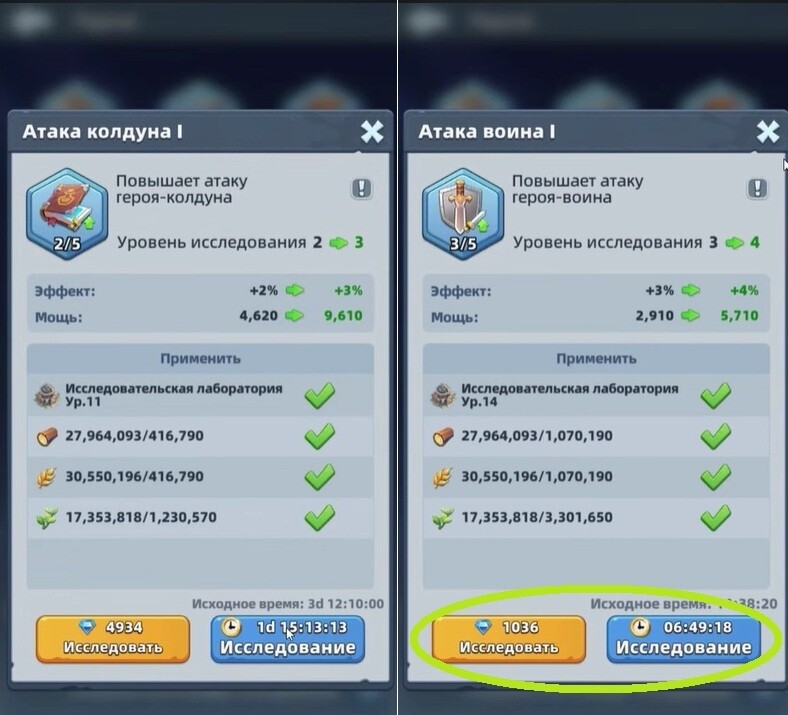
Branch balance is not equal early: Warriors research and upgrade cheaper and deliver stable tempo, while expensive branches like Warlocks cost more for roughly the same result at a slower pace. Take the simple, effective path to get rolling, experiment once the base, resources and understanding exist.
Lab: speed of everything
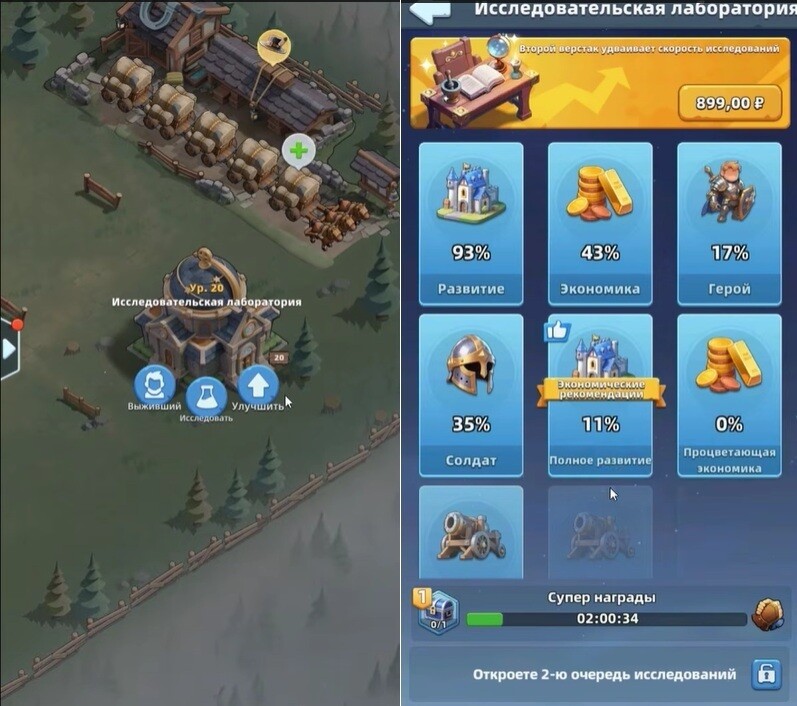
The Lab never looks urgent — and that is the error. What actually accelerates the account: construction speed, research speed, troop training speed, i.e. everything affecting base processes, plus the alliance-duel branch bonus that pays extra points for the same actions. Pick the priority and walk it; finish the base accelerators before strengthening anything else.
Gear, troops, shops, map: the compounding trifles
- Gear: dress the whole main five in basics first, lift everything slightly to a starter level, then push key pieces — attack and health first, since they show fastest in PvE and PvP. Purple gear is a fine temporary step (dismantled later without disaster); gold turns important over time partly because it works in PvP too — caravans, duels, map trades.
- Troops: never let training pause — finished queue, new queue instantly. Event points land at queue start, so bigger polygon capacity means more points per launch; polygon and troop-tech upgrades are event multipliers, not garnish.
- Shops: buy only what boosts current progress — not “for later”, not “might help”. Spending to the event, counting value, skipping the shiny: that is when resources start being enough.
- Map events: sieges, traps, activities — a steady source of resources, speedups and items many skip early. Do not live in them, do not ignore them either.
Hold the line — Sanctuary focus, event-timed spending, no scattering, alliance in play — and progress stabilizes fast. The start rewards system, not hustle.
Source: Last Asylum: Plague - 17 советов, которые реально ускоряют старт by Гейм-Знаток on DTF.
📖 Read next
Did this guide help?